The first Deputy Prime Minister of the Republic of Kazakhstan Nurlybek Nalibayev got acquainted with the dynamics of development and new opportunities of KPI production
28
June
2026
2026
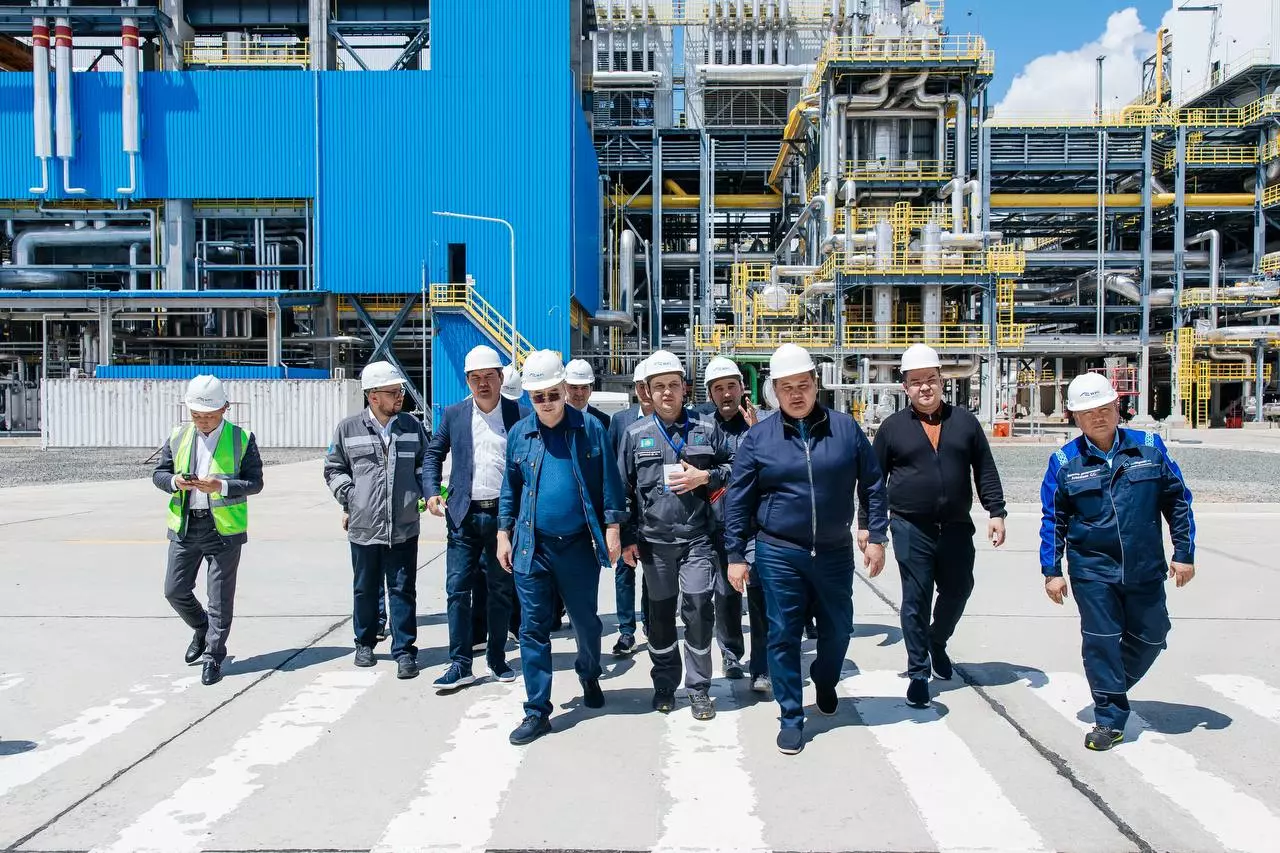
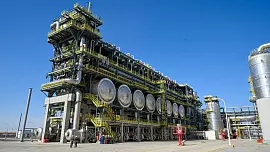
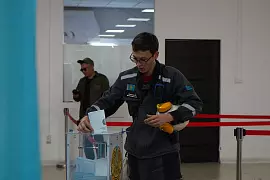
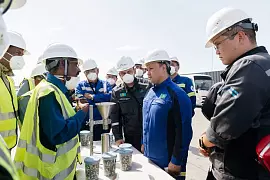
During a working trip to Atyrau, the First Deputy Prime Minister of the Republic of Kazakhstan Nurlybek Nalibayev visited the Kazakhstan Petrochemical Industries Inc. (KPI) plant, where he got acquainted with the Сompany production results and prospects for its further development.
During the visit, the Government management was presented with the main production indicators of the Company, measures to improve the reliability of technological processes, plans to expand the product line, as well as prospects for further development of petrochemical industry.
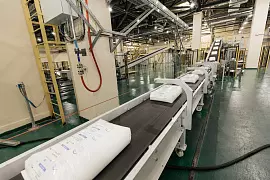
By today, the KPI plant is one of the largest industrial projects in the country and plays an important role in development of Kazakhstan's processing industry. Since its launch, the Сompany has consistently increased its production volumes. If 32 thousand tons of polypropylene were produced in 2022, then in 2023 this figure reached 181.1 thousand tons, and in 2024 — 248.7 thousand tons. By the end of 2025, the production volume amounted to 375 thousand tons, and in 2026 it is planned to increase it to 450 thousand tons.
Nurlybek Nalibayev got acquainted with operation of the production complex and positively assessed the work carried out at the enterprise to ensure the stability of technological processes. The Company systematically implements measures to improve the reliability of equipment, reduce the number of unscheduled shutdowns and increase the production efficiency.
During the meeting, a special attention was paid to the Company product line. Currently, KPI has mastered the production of 15 grades of polypropylene. The products are widely used in production of packaging, raffia, fibers, injection molding products, thermoformed products, BOPP films and nonwoven fabric.
In addition, taking into account the demand in European markets, the Company plans to launch the production of three more new grades of polypropylene, which will expand an export potential of the Company. New products are designed for production of high-speed raffia, multifilament threads and other highly demanded products of deep processing.
Following the visit, issues of further development of production, expansion of the range of polypropylene brands, increasing the geography of exports and continuing work on formation of a domestic petrochemical cluster were discussed.