Transitional grades of polypropylene. What is it
9
December
2024
2024

Transition and start-up grades of polypropylene are formed when changing the production of one polymer grade to another on the same equipment or during reactor commissioning processes. During the transition, the remains of the previous grade are mixed with the new one, which leads to a change in the properties of the material. These properties can include variations in flowability, strength, heat resistance and chemical resistance, making transition grades less predictable and stable compared to the main (target) grades.
Unlike grades that strictly comply with GOST and TU, start-up and transition grades are offered at lower prices, which makes them especially attractive to manufacturers. Many companies purchase these grades as an additive to the main raw materials to reduce the cost price or process them "cleanly" if the requirements for the manufactured products allow this.
Transition grades from KPI
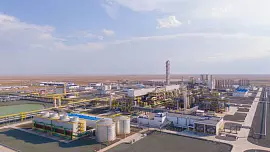
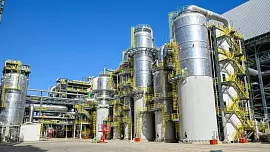
JSC NC KazMunayGas (KMG) built and launched in 2022 the largest and most complex integrated gas chemical complex of Kazakhstan Petrochemical Industries Inc. (KPI) in the Atyrau region. Polypropylene production at this plant is carried out in a full cycle, from raw materials to finished products, using complex physical and chemical processes and exclusive equipment. The plant is still undergoing the commissioning process, which is an important stage during which products are manufactured, grades are tested, and the units are brought to a stable operating mode. The period between the first launch and final acceptance of any new complex petrochemical production can last up to three years. It is during this period of adjustment of all process equipment that transition grades of polypropylene are formed.
In October 2024, warranty tests of the KPI complex were completed. In 2025, the plant is expected to be commissioned and production will reach its design capacity of 500 thousand tons of polypropylene per year. In this regard, the production of transition grades of polypropylene will decrease, and the production of target grades of polypropylene will increase, with export deliveries focused on the premium segments of the European market.
Why China Uses Transition Grades
Kazakhstani polypropylene processors often avoid using transition grades due to their inconsistent properties and possible technical limitations. It is important for them to maintain high quality and stability of products, which requires additional costs for quality control and adaptation of production processes. In critical products, such as medical devices or automotive components, reliability and stability of material properties are key factors, which makes the use of transition grades undesirable.
China produces many plastic products that do not have strict requirements for the quality and homogeneity of raw materials. Such products include plugs, dowels, hidden structural elements, disposable containers, garden utensils and many others. These products usually do not require high strength or durability, which allows the use of cheaper and less homogeneous grades of polypropylene. Transitional grades of polypropylene, containing impurities and minor deviations in composition, are ideal for the manufacture of such undemanding quality products.
In general, the Chinese market is not a premium one for the Kazakhstani enterprise KPI, so transitional grades of polypropylene are mainly supplied there. The main task of the plant is to minimize the production of such grades, increasing supplies to premium markets. The long-term goal of the enterprise is to reduce the share of transitional grades of polypropylene to 5-8% of the total production volume.
Differences between the oil market and the gas chemical market
There is also a difference between the oil market and the gas chemical market, which lies in the nature and structure of sales. KazMunaiGas sells oil for export, which involves selling raw materials to large international traders or processing plants. This process is relatively straightforward and requires minimal interaction with end consumers. Oil is usually sold in large quantities, and the main challenge is to ensure logistics and compliance with contractual obligations.
In contrast, the gas chemical market requires a much more complex approach. In particular, polypropylene from the KPI plant is delivered directly to end consumers - processing plants with consumption volumes of several dozen tons per month. This requires an extensive marketing network and close interaction with customers to meet their specific needs and ensure stable supplies. In this context, there is a need for a reliable and powerful marketing partner who is able to take on the complex tasks of selling products to the end consumer and carries out effective supply chain and marketing management.
Thanks to the presence of an experienced international technology and marketing partner in the person of SIBUR, KPI successfully fulfills its plans for polypropylene sales, including sales of premium brands. Such a partner helps not only in product sales, but also in strengthening its position in international markets, ensuring the company's stability and growth.
KPI brand range and local prices
The KPI gas chemical complex is technologically capable of producing up to several dozen different grades of polypropylene in granules. The company currently produces 9 target grades of polypropylene, 5 of which have not previously been produced in Kazakhstan. The quality of the plant's products is confirmed by the world-famous Swiss company SGS.
The price of polypropylene on the domestic market of Kazakhstan has always been and will be a market price and remains the lowest compared to neighboring countries. Since the launch of the KPI LLP plant in Atyrau in 2022, the price per ton has been reduced from 700 thousand tenge to 515 thousand tenge with VAT by November 2024. At the same time, the KPI share in the RK market already exceeds 50%, which indicates a significant saturation of the local market.
In addition, the KPI plant is implementing an import substitution program in the country, which allowed the import of polypropylene to the domestic market of Kazakhstan to be reduced from 63% in 2022 to 17% in 2024. Additionally, for comprehensive and effective support of local polypropylene processors, the company launched a long-term set of "Forsage" programs, within the framework of which individually calculated commercial conditions for polypropylene are provided, which increases the competitiveness of products of domestic companies and contributes to the filling of the domestic market with products of Kazakhstani manufacturers.
Thanks to the listed measures, the KPI plant has significantly expanded its customer base in the domestic market of Kazakhstan. If in 2022, Atyrau polypropylene was supplied to 15 consumers, and in 2023 already to 58 enterprises. As of the end of November 2024, there are more than 80 processing companies active in the market, of which about 70 customers (including consumers of several tons per month) regularly consume homopolymer from KPI. Deliveries are made on a permanent basis to about 40 companies, and the rest can take polypropylene depending on their needs once a quarter, six months or a year.